
Grade Levels
Early Years / KG
Play-based foundations in communication, early literacy, early numeracy, social development, creativity, routines, and confidence.

Ghars International Private School in Muscat offers a British curriculum education for students from Kindergarten to General Education Diploma. Through a structured learning pathway that includes IGCSE and A Level qualifications, the school provides students with the knowledge and skills needed for future success. A solid foundation is created for our students in core subjects such as English, Mathematics, Science, Arabic, ICT, Physical Education, as well as creative and values-based subjects, and allows them to grow into independent learners who have developed critical thinking, communication, problem-solving, and research skills throughout their time in education.
In addition to the international curriculum, a firm connection to Oman’s educational and cultural history is maintained throughout the school. Arabic studies, Islamic studies, Omani social studies and national identity are significant components of the overall learning experience.
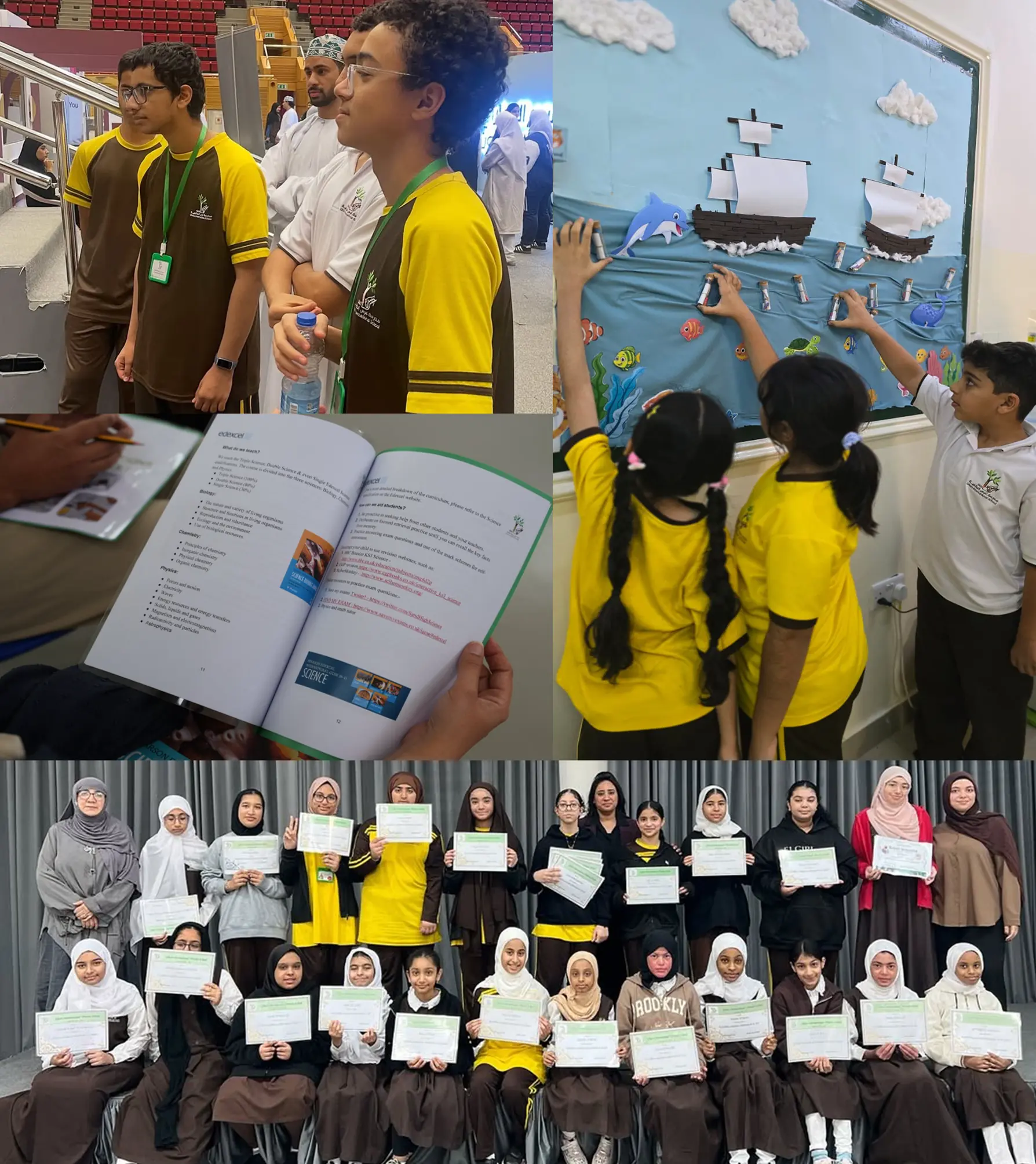
The curriculum is strengthened through classroom learning, hands-on practical activities, projects, technology-supported lessons, reading, discussions, presentations, educational visits, and school events. In the secondary years, students are guided on the options available to them across various subjects and the pathways and examination options that will aid their further studies and preparation for university.
Play-based foundations in communication, early literacy, early numeracy, social development, creativity, routines, and confidence.
Age range: Approx. 6-11. Core learning in English, Mathematics, Science, Arabic, Islamic, Social Studies, ICT, PE, Art, and personal development.
Age range: Approx. 11-14. Broad subject base with increasing independence, research, digital skills, science, humanities, languages, and project-based learning.
Broad subject base with increasing independence, research, digital skills, science, humanities, languages, project-based learning, International examination preparation, subject specialisation, study skills, revision, practical work, and assessment readiness.
Advanced subject pathways, university preparation, independent study, research skills, and external examination preparation.
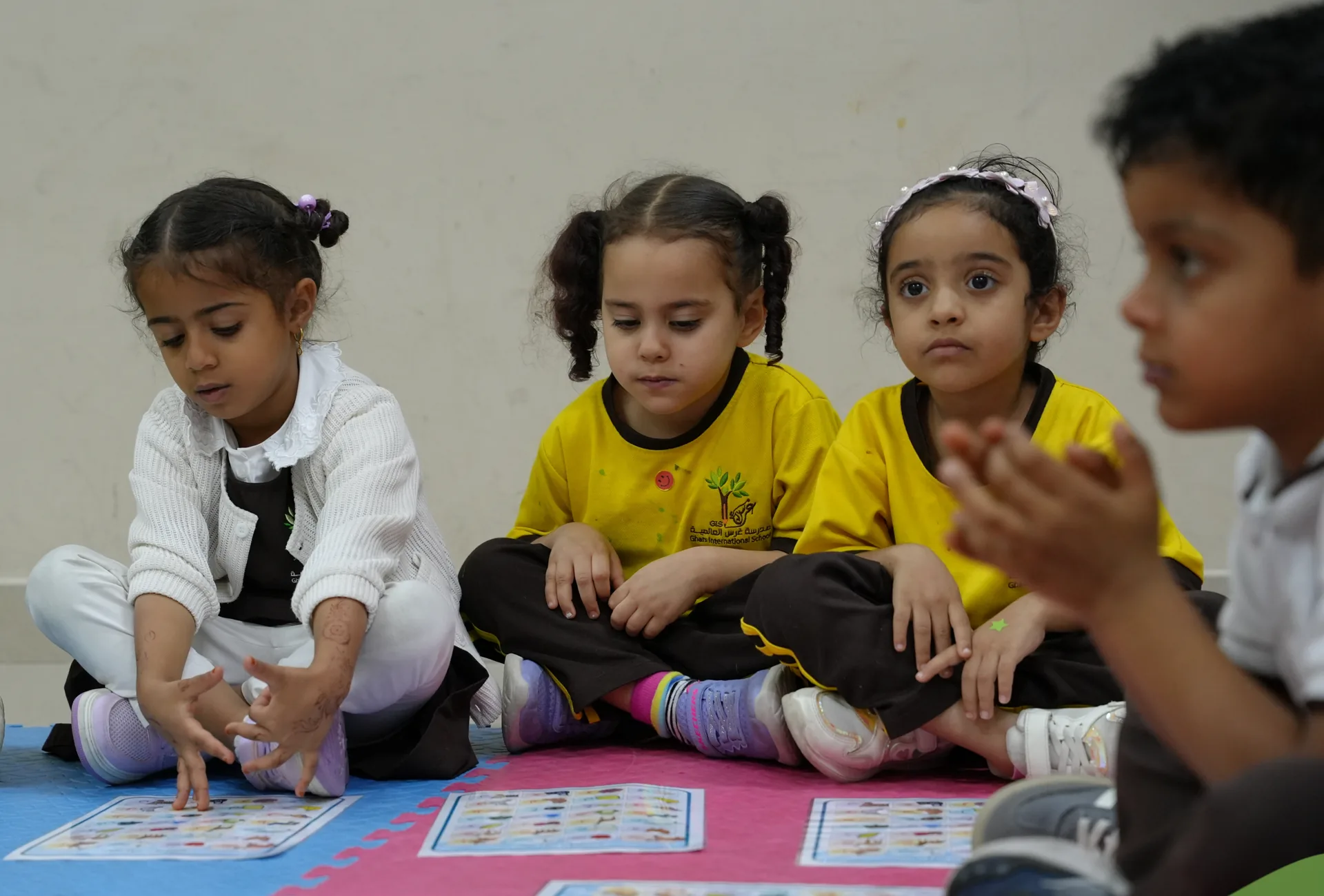
Children learn through play routines, communication, creativity, and social interaction. The programme supports early literacy, early numeracy, English, Arabic, Phonics, iRead Arabic, PE, Art, and physical development.
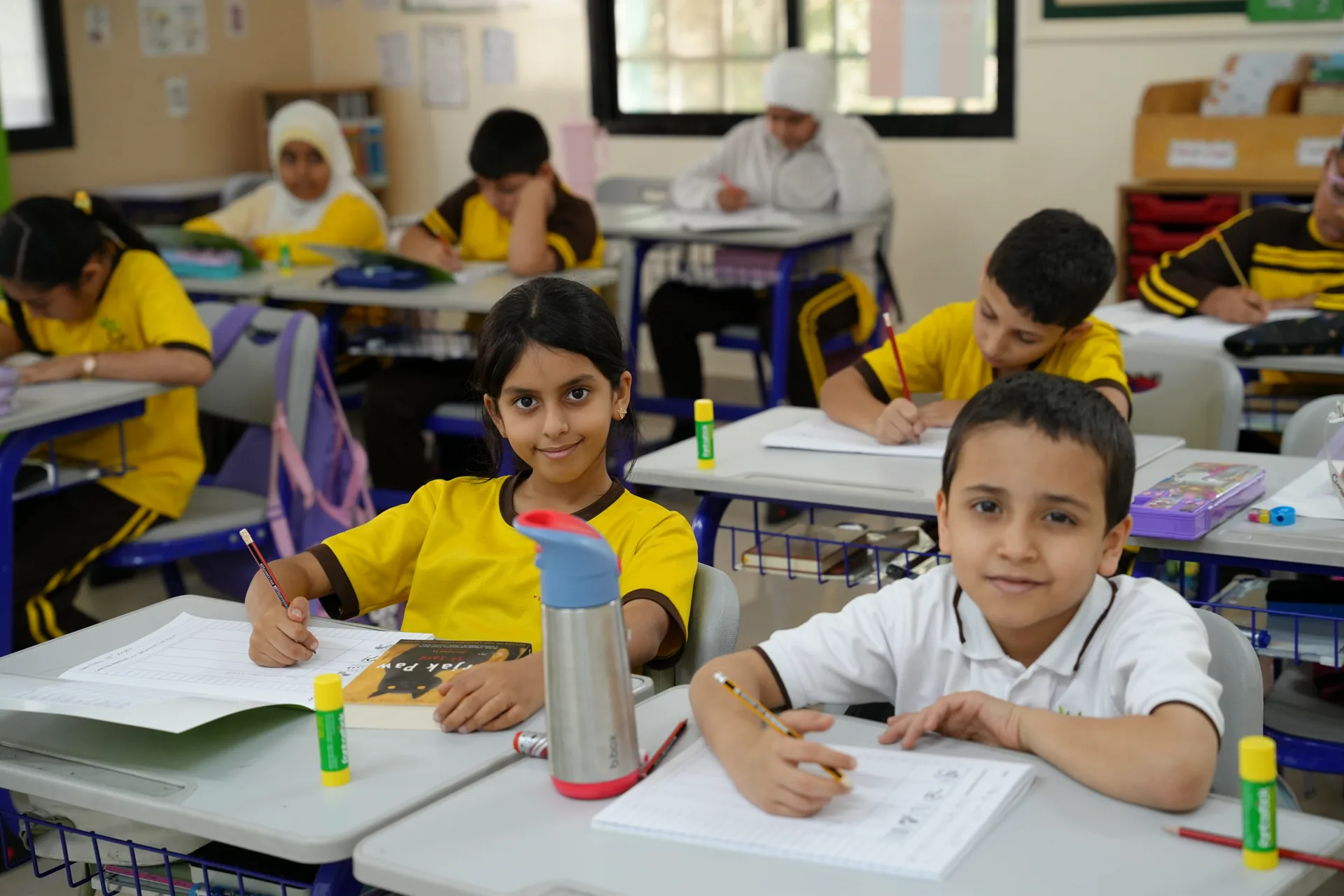
Students build strong foundations in English, Mathematics, Science, Arabic, Islamic Studies, Social Studies, ICT, PE, Art, reading, projects, and practical learning. The curriculum supports academic progress, confidence, creativity, and personal development.
Learning is enriched through Student Council, clubs, educational trips, competitions, school events, and creative activities.
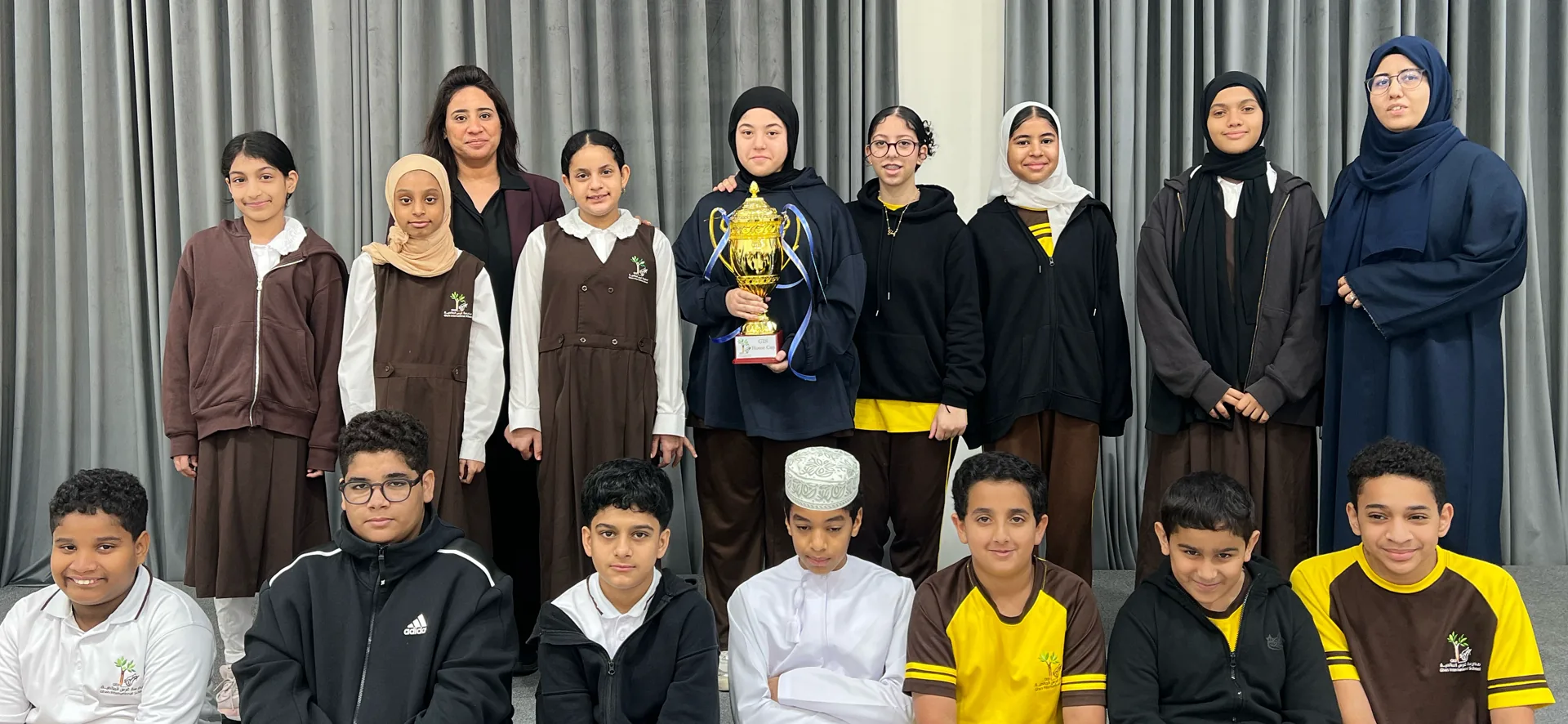
Building strong foundations for examination pathways
In Secondary, students develop deeper subject knowledge, independent learning skills, study habits, research skills, and confidence across a broad range of subjects. The Secondary pathway includes Lower Secondary, Grade 9 Pre-IGCSE, and Grade 10 IGCSE preparation.
Lower Secondary / Grades 6-8
Grade 9 – Pre-IGCSE
Grade 10 – IGCSE
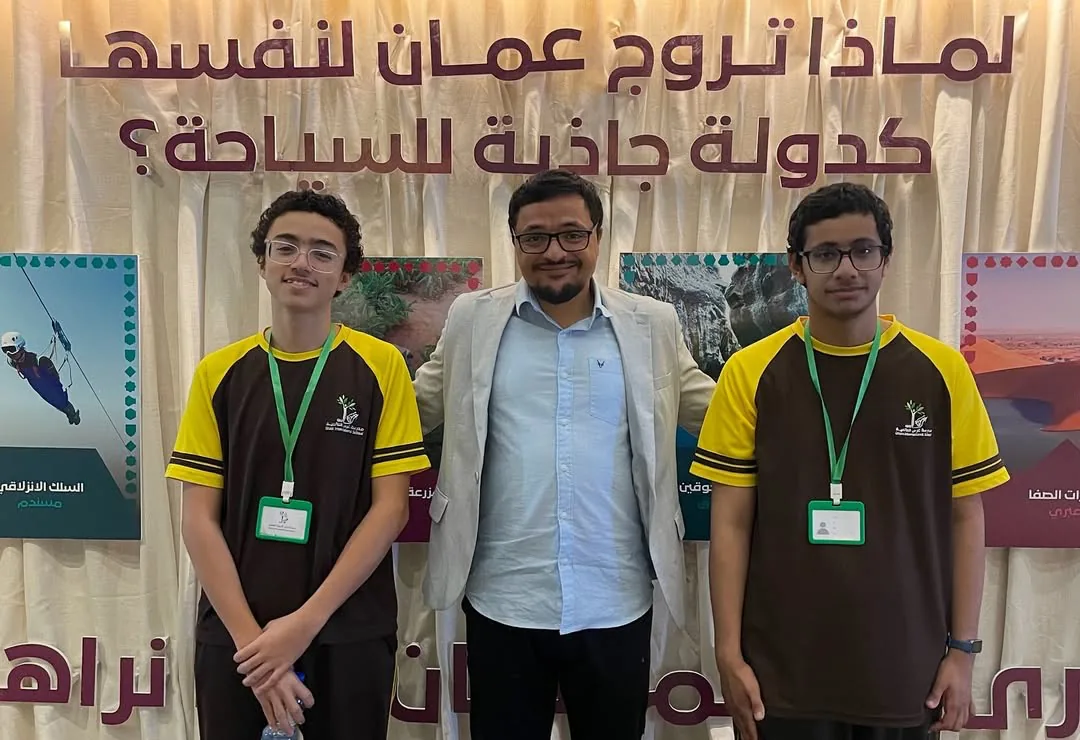
Preparing students for graduation and university pathways
In Sixth Form, students continue their senior academic journey through the General Education Diploma pathway and/or AS/A Level study. Students are supported in developing academic responsibility, subject specialisation, examination readiness, and preparation for future higher education.
Grades 11-12 – General Education Diploma
AS/A Level pathway
Building confident reading, writing, and communication.
Developing logical thinking and problem-solving skills.
Exploring the world through inquiry and experiments.
Understanding people, communities, and cultures.
Learning values, ethics, and Islamic teachings.
Encouraging creativity and self-expression.
Building digital literacy and technology skills.
Promoting teamwork, fitness, and healthy living.
Connecting with language, culture, and identity.
Introducing enterprise, finance, and real-world decision making.
Developing language skills and cultural understanding.
Learning coding, computational thinking, and digital problem solving.
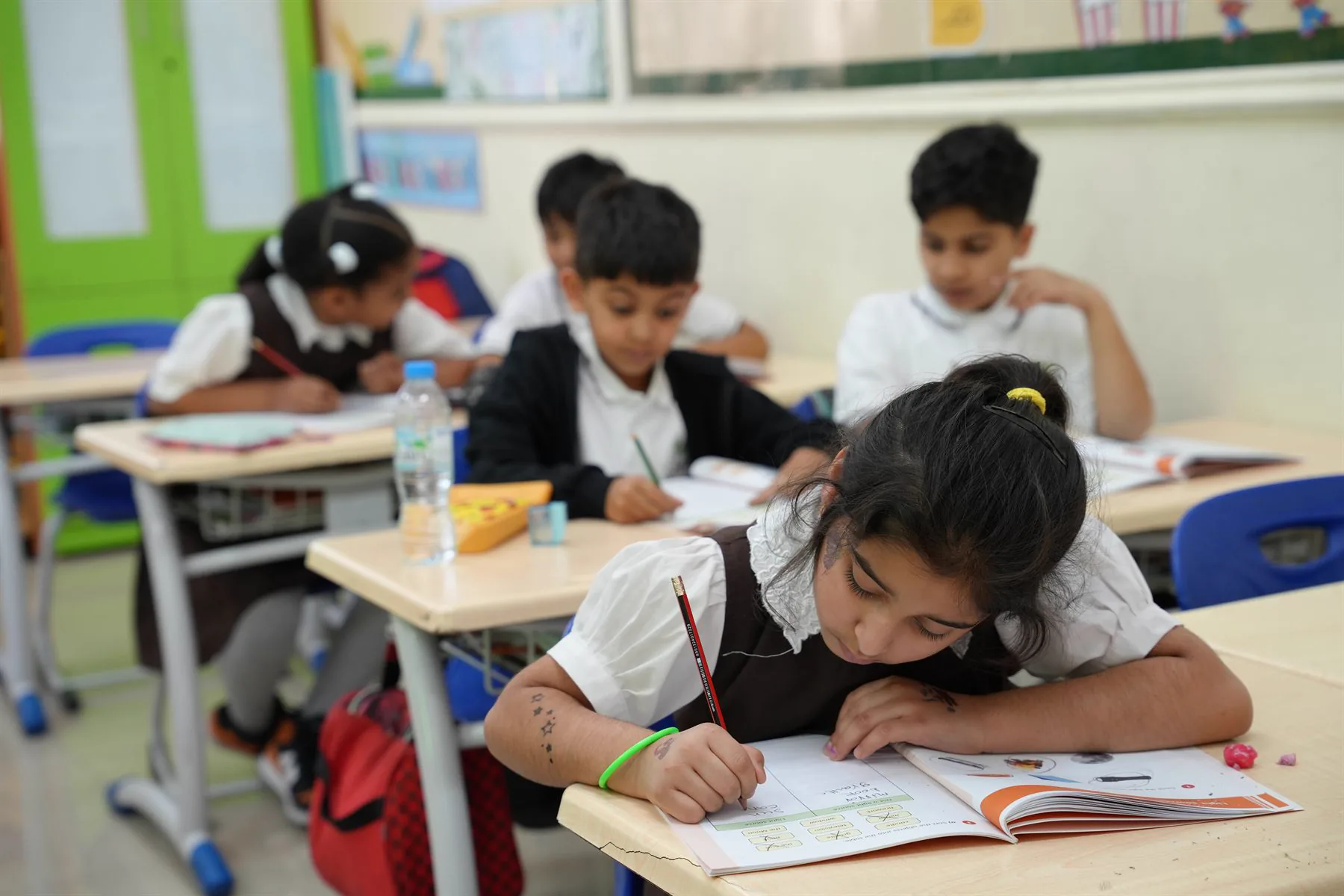
The evaluation of students will involve a combination of multiple types of assessment. These include class work, homework, quizzes, practical assessment tasks, projects, and presentations. Continuous Assessment, end-of-term assessments, IGCSE external examinations, and AS/A Level examinations are also types of assessments. In addition to the use of assessment to establish the academic progress for individual students, teachers also use assessments to assist them in identifying areas of strength or need for further support while providing constructive feedback to the student and, their parents or guardians.
Assessment has a strong emphasis on the Primary and Secondary to develop good foundations, study skills, confidence, and independent learning skills. In the secondary years, students are ready for the more formalised nature of the examination requirements, including external examination routes such as IGCSE and AS/A Level. Students’ progress is also monitored in Practical work, Research, Digital skills and Communication.
Parents receive updates through report cards, meetings, school communication channels, and through direct contact with appropriate staff members when they require support or follow up.
Quick access to key academic information, calendars, and parent learning platforms.


